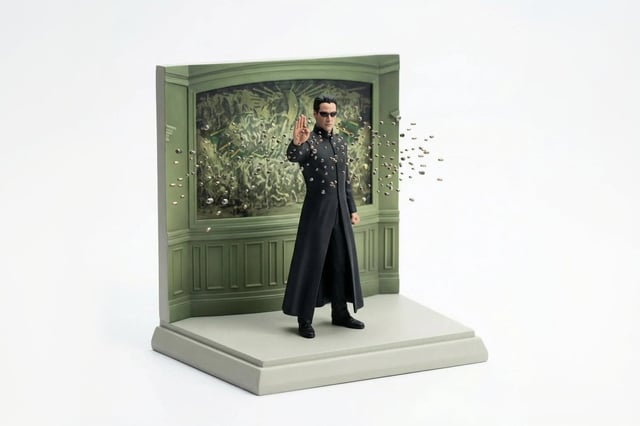
![[Character] in his iconic pose, [Universe Name], standing on a shattered rock base with a white back](https://images.meigen.ai/cdn-cgi/image/format=auto,quality=85,width=640,fit=scale-down/tweets/2074191664445374838/0.jpg)
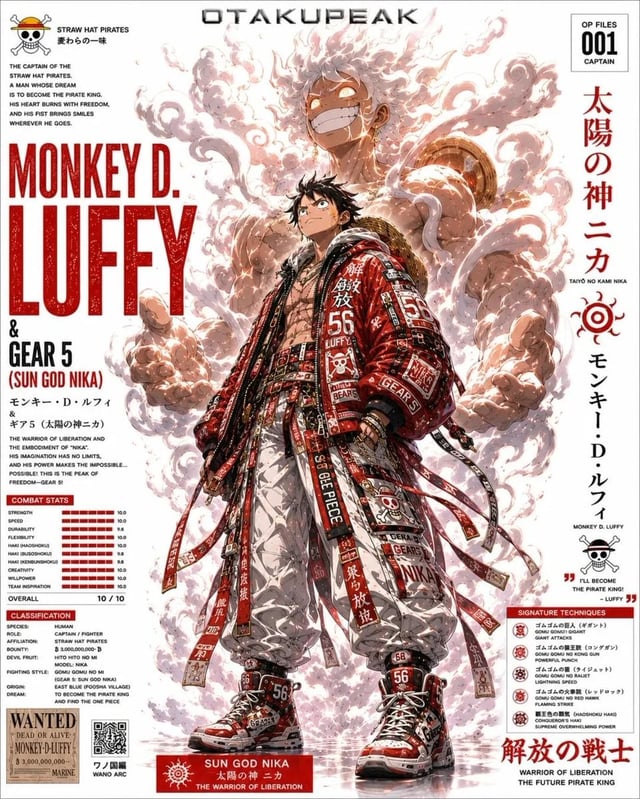
![Hyper-realistic cinematic portrait of [Character Name], reimagined as a Japanese yankee delinquent,](https://images.meigen.ai/cdn-cgi/image/format=auto,quality=85,width=640,fit=scale-down/tweets/2070136596339335410/0.jpg)
Back to GalleryGPT Image
Prompt
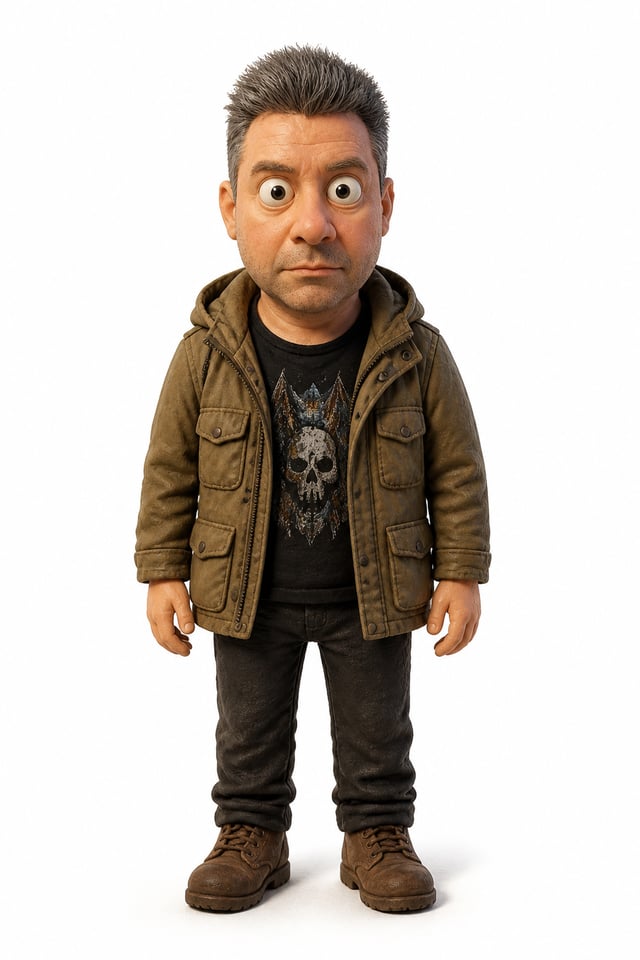
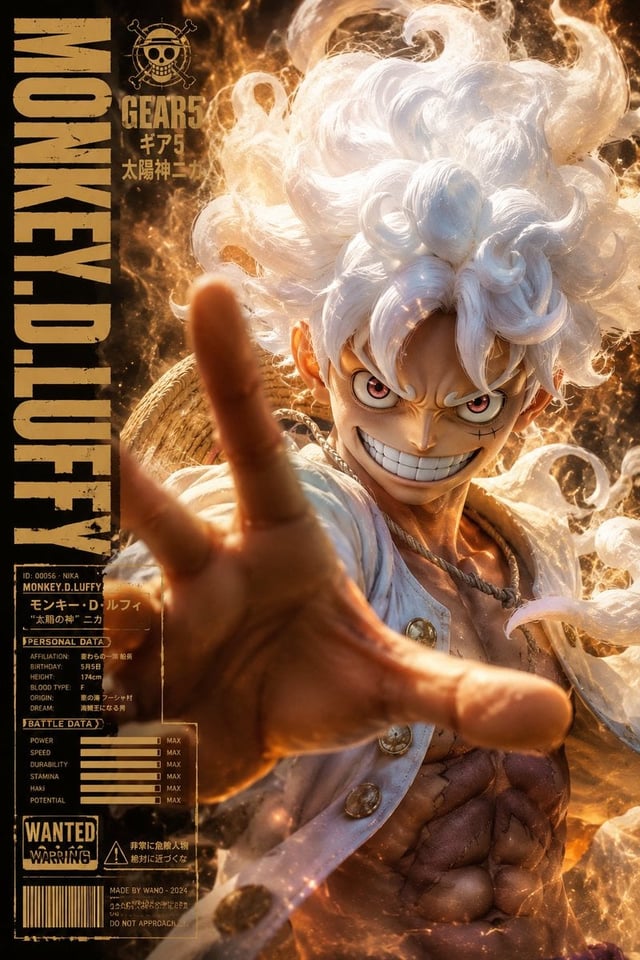
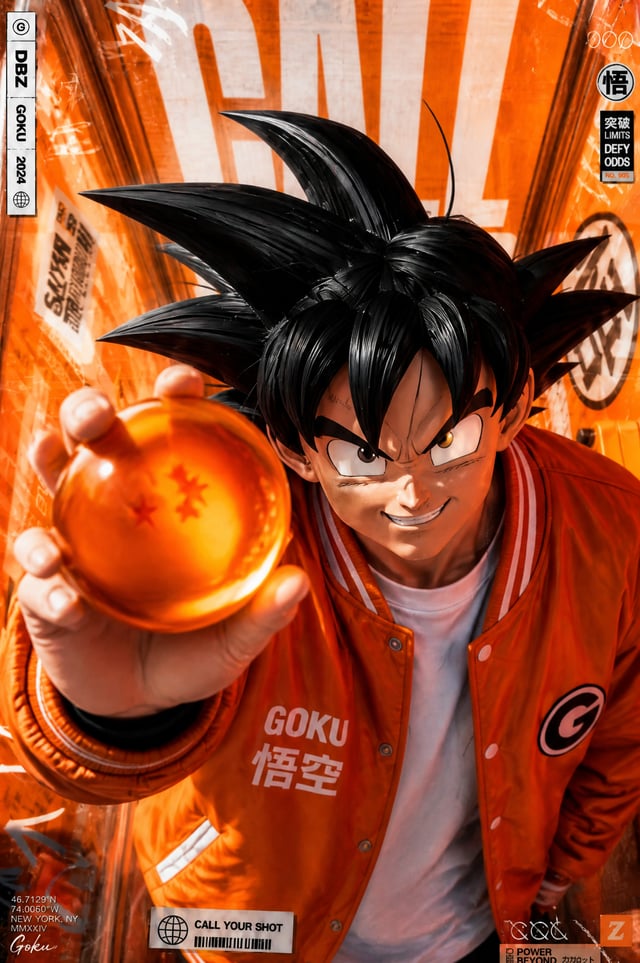
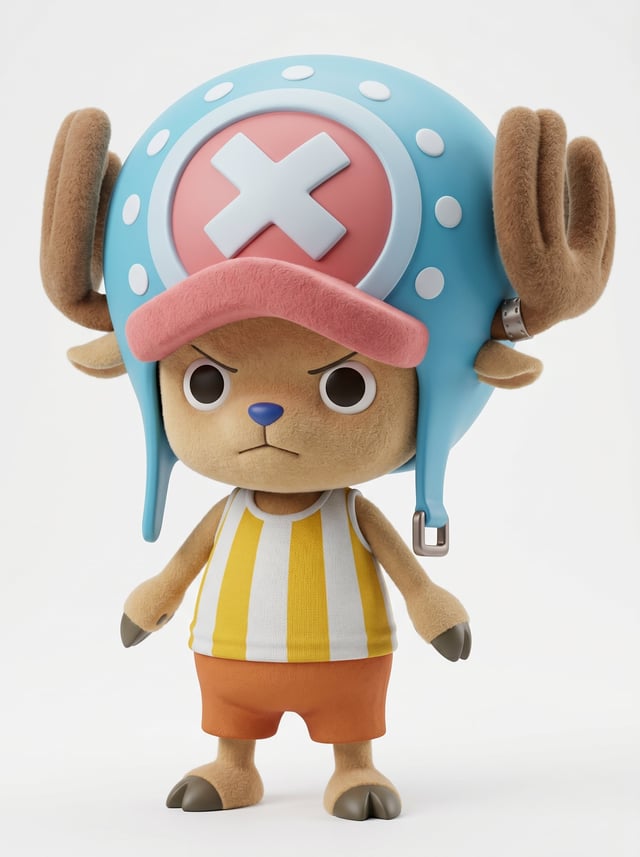
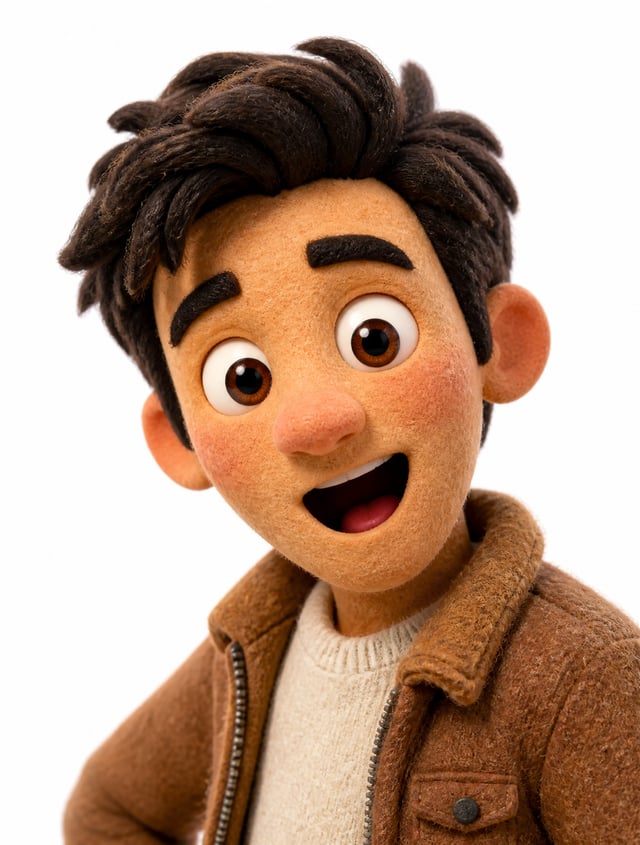
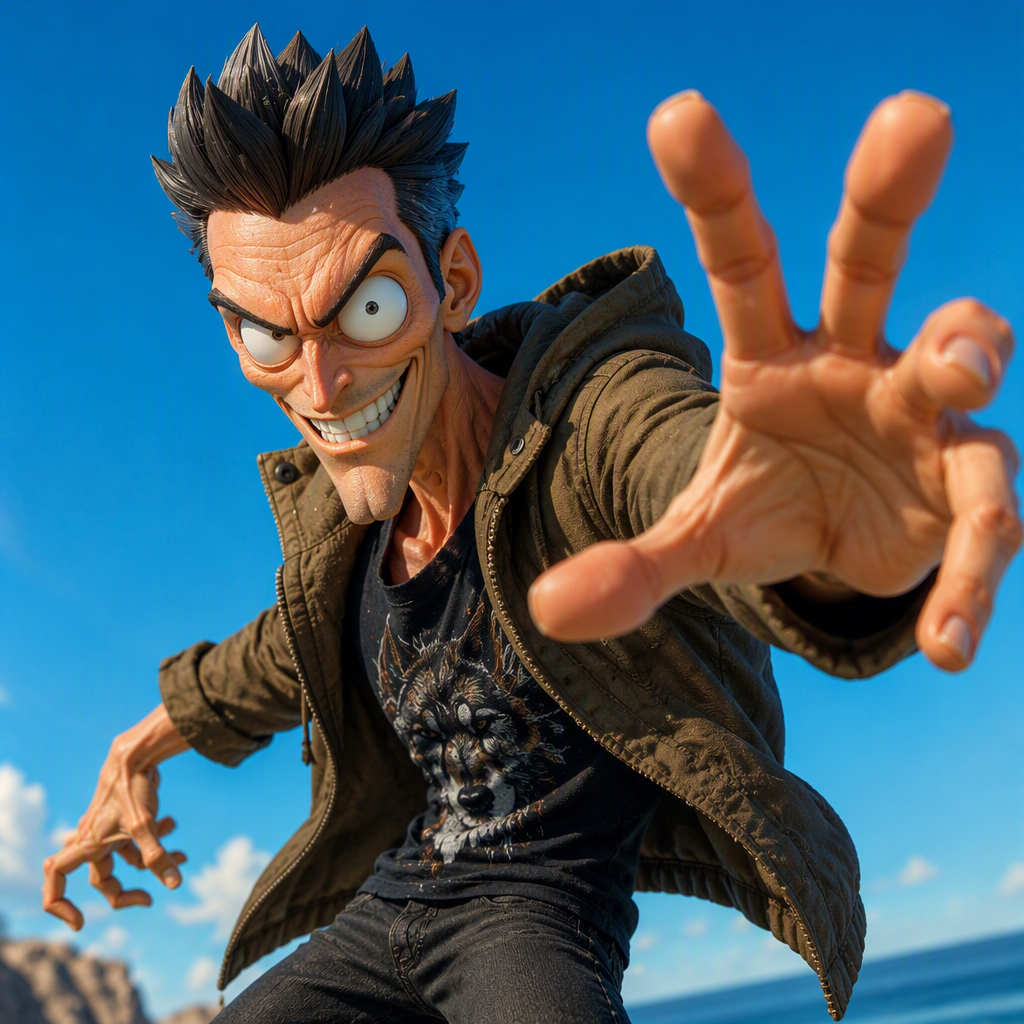
Signature features: stylized 3D character design built from exaggerated manga-like facial geometry combined with physically believable skin, cloth and hair materials; very large exposed white sclera with tiny dark pupils, wide-set eyes and an intense alert expression; compact angular nose with a low bridge and sharply defined nostrils; extremely broad mouth capable of stretching far across the lower face, with large clean block-like teeth and pronounced cheek deformation; lean elongated facial structure with a narrow jaw and pointed chin rather than soft rounded cartoon anatomy; hair formed from thick sculpted spike-clusters with sharp triangular silhouettes instead of individual realistic strands; strong perspective deformation that can make near-camera hands or limbs dramatically oversized while the underlying anatomy remains coherent. Use a lean, elastic character shape language: relatively small torso mass, long neck and limbs, narrow shoulders-to-waist transitions, angular elbows and knees, expressive oversized hands, long fingers and slightly exaggerated knuckles. Faces should feel graphic and caricatured, with stretched features and strong asymmetry in expressions, but rendered as solid dimensional forms. Avoid cute infant proportions or soft balloon-like anatomy. No drawn black contour lines. Define forms through crisp silhouette edges, sculpted planes, contact shadows and material contrast. Skin should be warm, slightly rough and tactile: subtle uneven coloration, faint pores/creases, small imperfections and soft subsurface warmth, but never fully photographic. Hands may show stronger creases and surface wear. Hair is dense, dark, mostly matte, divided into large pointed masses with minimal strand-level detail. Fabrics and accessories should use realistic weave, roughness and edge response while retaining simplified stylized geometry. Use highly saturated clean color relationships with strong warm-vs-cool separation. Favor warm orange-red skin and materials against intense cyan/blue environmental tones when appropriate. Lighting should resemble hard natural daylight: bright directional highlights, crisp but slightly softened shadows, strong rim illumination, luminous skin edges and selective glossy reflections. Maintain deep contrast without crushing facial detail. Render as high-end dimensional animation artwork with realistic physically based material response layered over deliberately exaggerated illustrated anatomy. Use shallow depth of field when appropriate, smooth cinematic lens rendering and controlled microtexture. Keep geometry clean but not plastic-perfect; small surface irregularities should prevent the result from feeling like a toy. Preserve consistently: huge white sclera with tiny pupils; angular narrow facial construction; compact nose; extremely wide expressive mouth; lean elongated anatomy; sculpted spike-cluster hair; oversized expressive hands; exaggerated perspective deformation; realistic-but-stylized skin roughness; saturated warm/cool palette; hard sun-like directional lighting; crisp shadows; physically believable materials over caricatured geometry. Avoid: generic Pixar proportions, round baby-like heads, oversized glossy Disney eyes with large irises, soft plush anatomy, photorealistic human facial proportions, perfectly smooth plastic skin, dense realistic hair strands, flat cel shading, heavy drawn outlines, pastel low-contrast palettes, uniform studio lighting, excessive pore-level realism, or generic polished 3D-cartoon rendering.