Back to GalleryGPT Image
Prompt
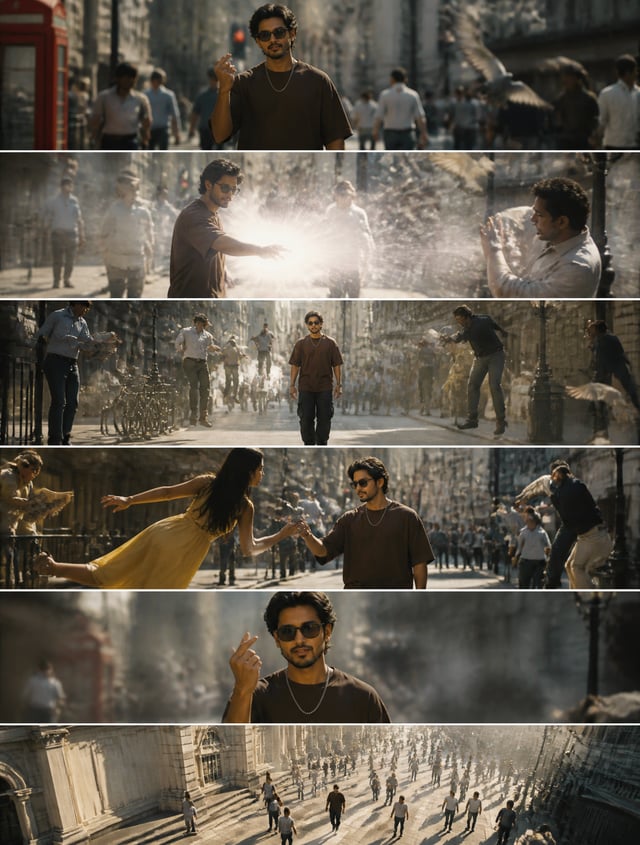
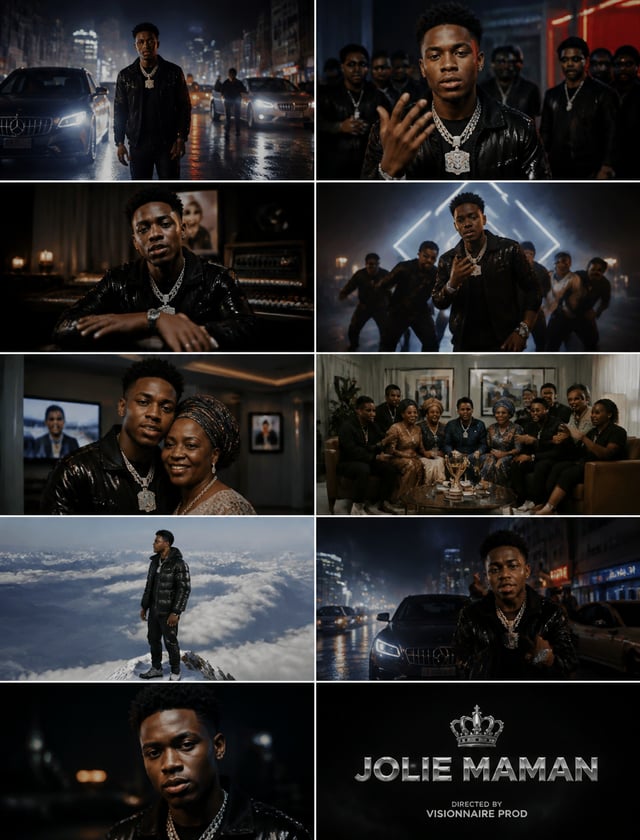
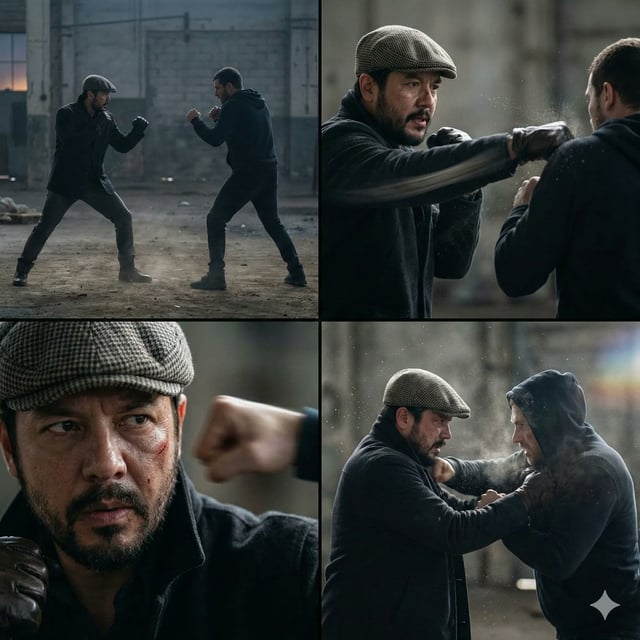
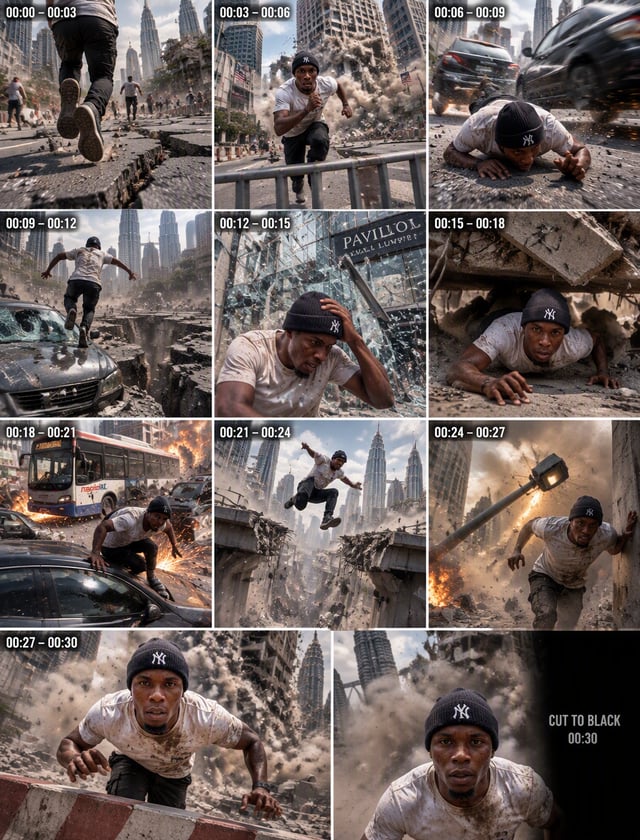
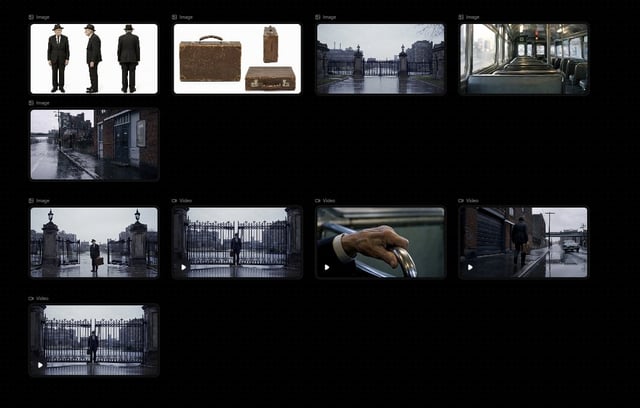
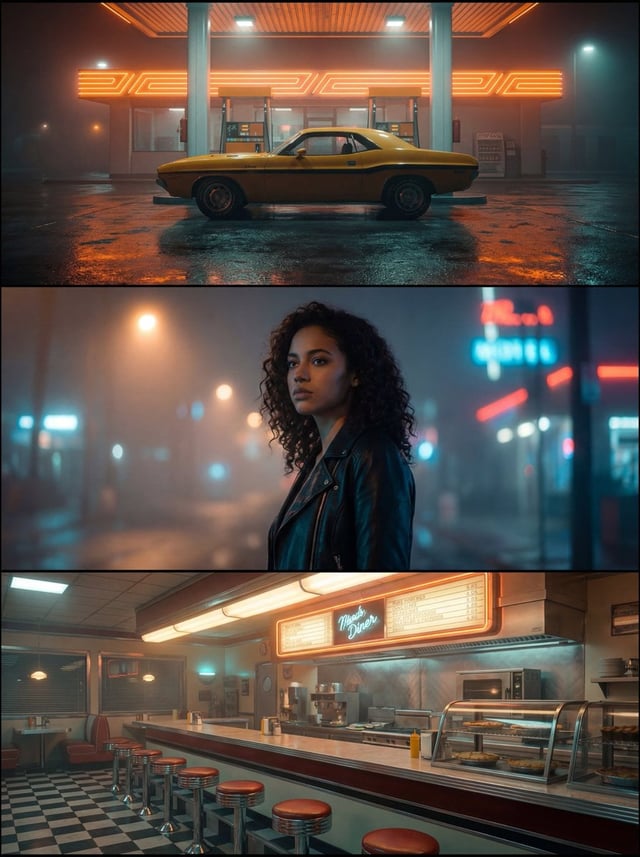
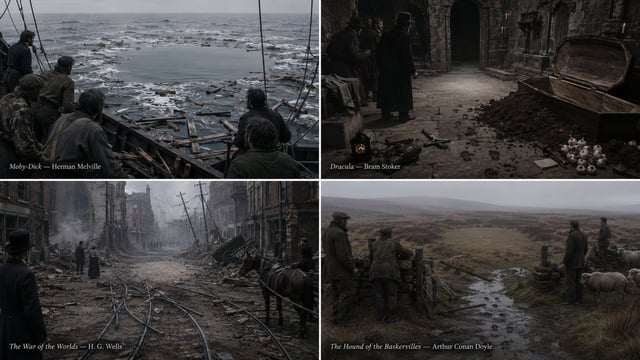
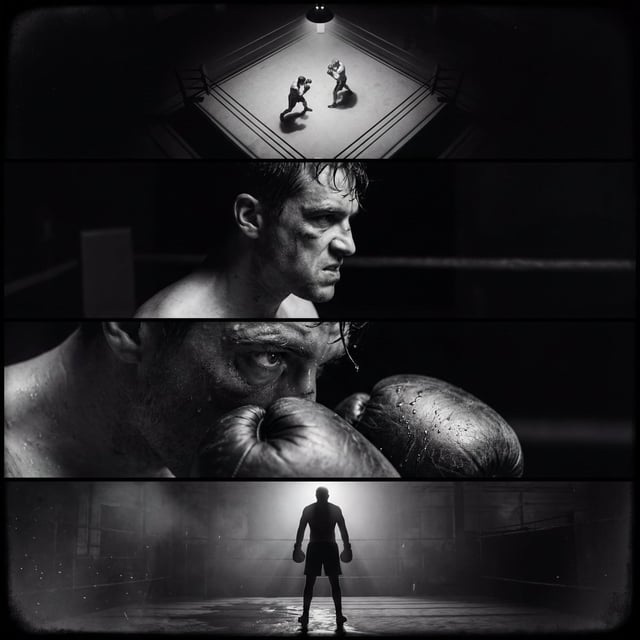
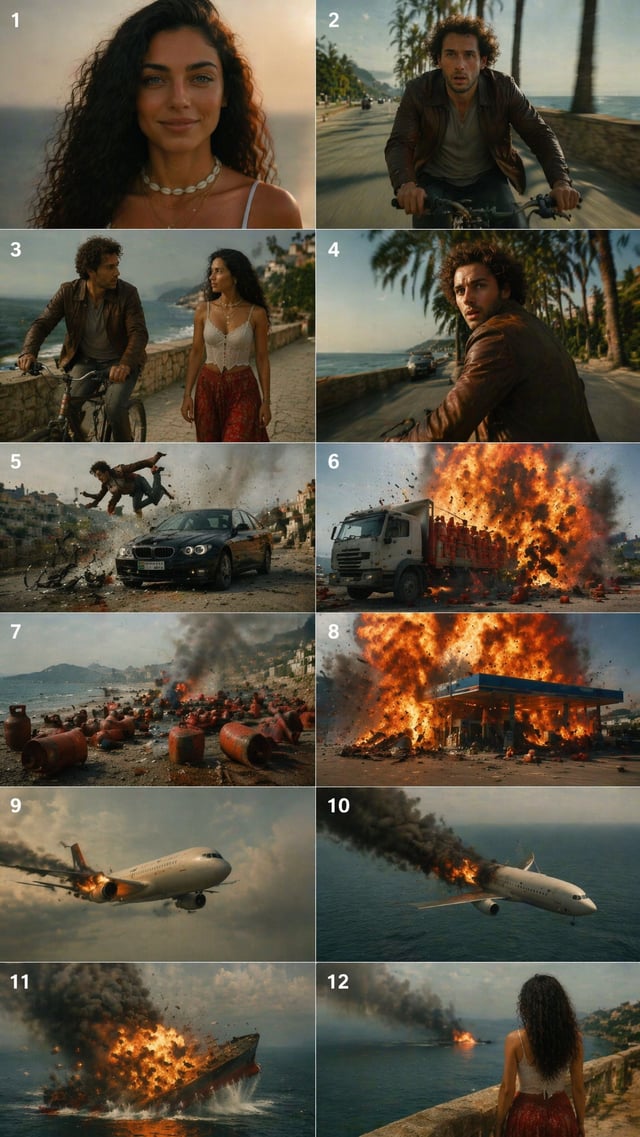
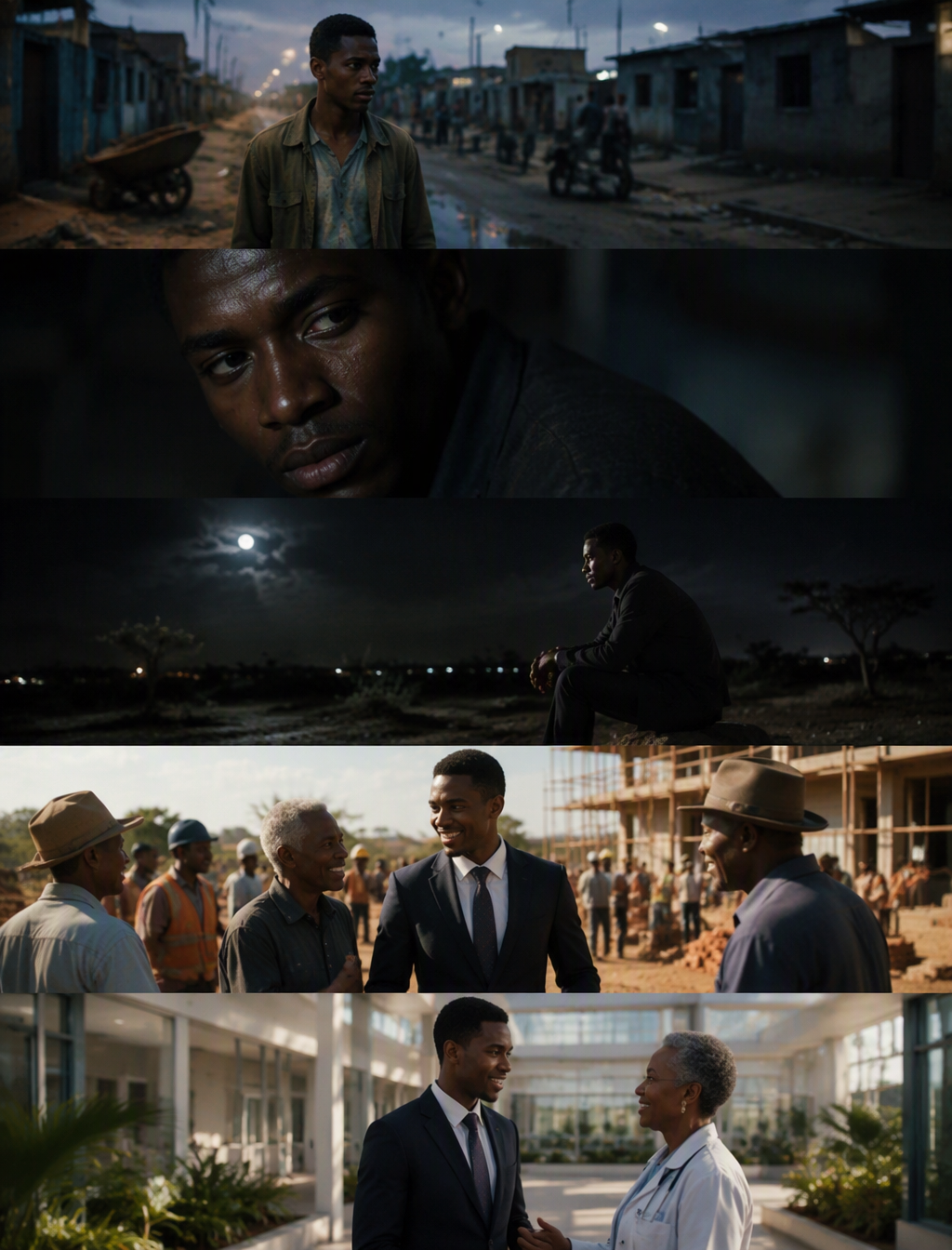
Cinematic film, 35mm anamorphic lens, high dynamic range, evocative of Christopher Doyle cinematography. The visual narrative follows Mochenjose, a young Motswana man, through a profound transformation from struggle to redemption. Subject and action: Mochenjose, age 25, dark skin, short black hair, slim athletic build, expressive eyes. Early scenes feature him in worn clothing walking through dusty, impoverished Botswana neighborhoods with a burdened, weary expression. Mid-story scenes depict him in shadows, reflecting on his actions with a cold, troubled demeanor. Final scenes show him in sharp, professional suits, interacting with community members, doctors, and the elderly with warmth, pride, and genuine empathy. Composition and framing: Slow tracking shots following his movement through streets. Tight, emotional close-ups capturing micro-expressions of guilt, realization, and eventual hope. Wide, sweeping cinematic vistas of the Botswana landscape during golden hour. Dutch angles during the tense, early criminal phase to convey instability, shifting to steady, balanced, symmetrical framing as the community hospital and care center are constructed. Lighting and atmosphere: Early segments utilize low-key, high-contrast lighting with cool blue tones and streetlamp highlights reflecting on wet surfaces. Transition scenes at the turning point use soft, diffused moonlight. The final act is bathed in warm, naturalistic sunlight, volumetric lighting, and radiant golden-hour hues, emphasizing the architectural beauty and life-giving atmosphere of the new community complex. Material and texture: Sharp, high-fidelity textures: rough concrete, dusty earth, worn fabric of early clothing transitioning to refined wool and cotton textiles. The hospital interior is defined by sterile yet welcoming surfaces, polished floors, and lush, vibrant green gardens. Fine film grain consistent with Kodak Vision3 500T aesthetic. Visual style: A blend of documentary realism and poetic social drama. The aesthetic is grounded and authentic, prioritizing natural African environments and realistic architecture. The color palette evolves from somber, desaturated tones to a vibrant, warm, and hopeful spectrum. Constraints: No text, watermarks, or logos. No depiction of specific criminal techniques, violence, or weapon usage. Faces must remain clear and expressive. Ensure no plastic-looking surfaces or oversaturated neon lighting. No blurry or distorted architectural features in the final hospital sequence.