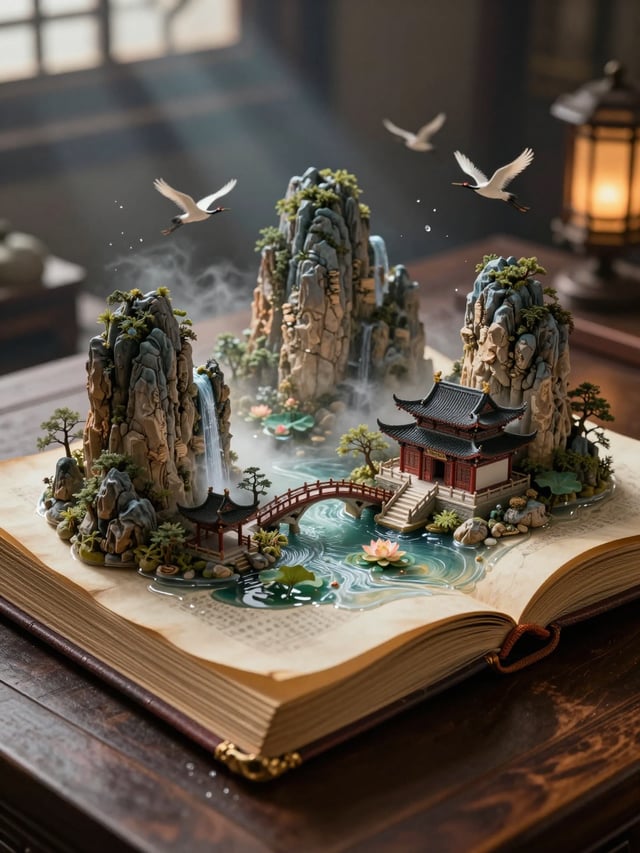
![A [AGE / ERA] [CONTAINER / OBJECT] associated with [CULTURE / CONTEXT], partially opened to reveal i](https://images.meigen.ai/cdn-cgi/image/format=auto,quality=85,width=640,fit=scale-down/tweets/2015806433556832401/0.jpg)
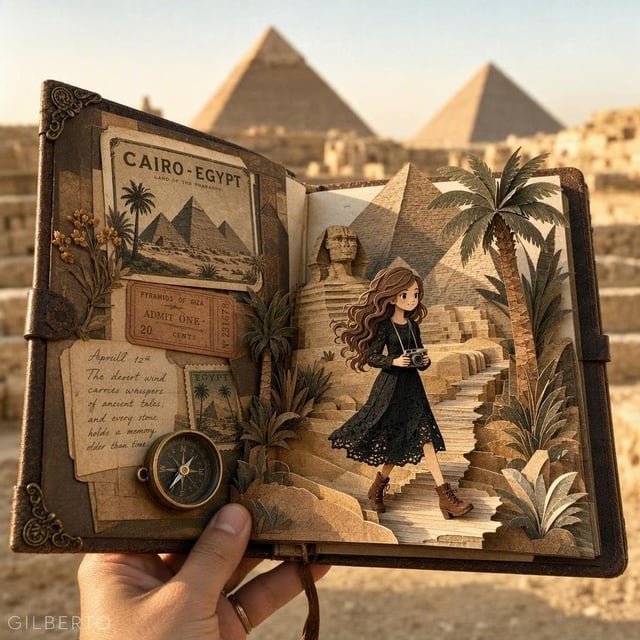
![Create an ultra-detailed handcrafted 3D pop-up storybook travel illustration of [Destination], prese](https://images.meigen.ai/cdn-cgi/image/format=auto,quality=85,width=640,fit=scale-down/tweets/2064166761583550562/0.jpg)
Back to Galleryother


20346Sep 10, 2026
Prompt
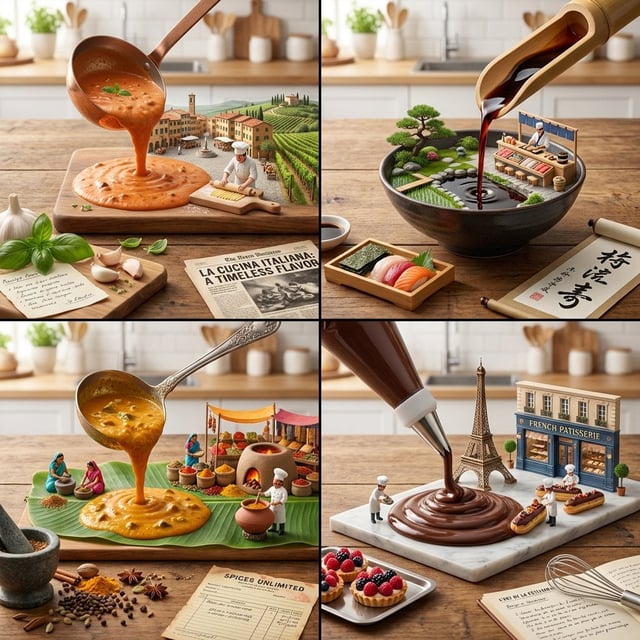
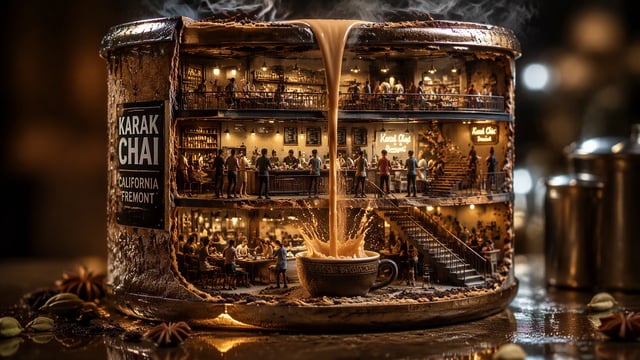
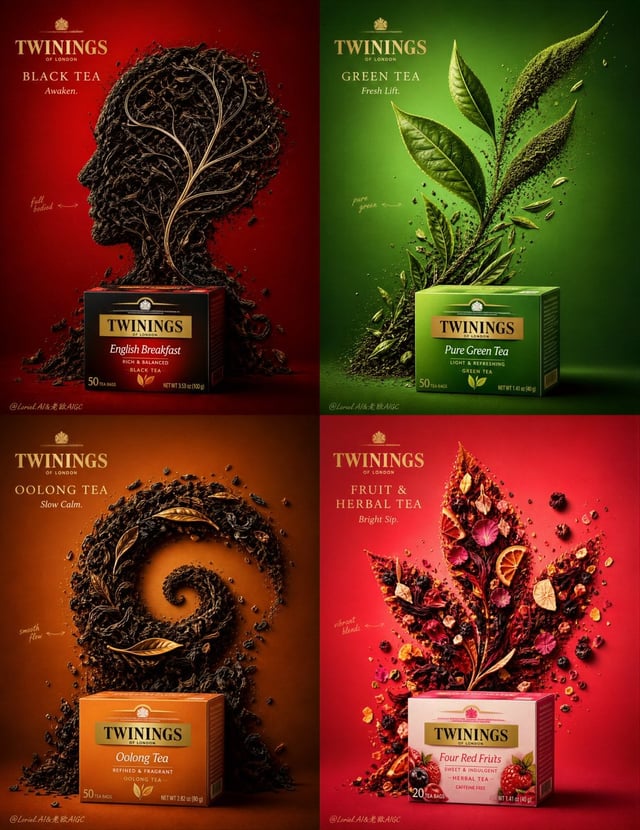
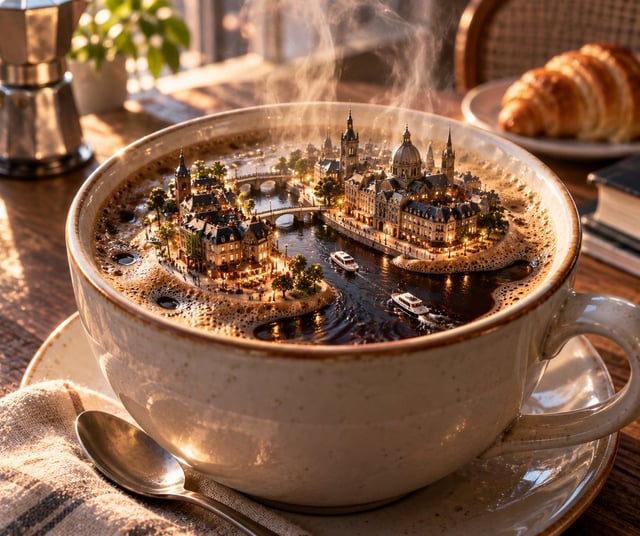
instruction> 2x2 grid, 16:9, do this for tea, coffee, honey, eggs 1. The Semantic Inference Engine (Culinary Anthropology): Input A is a Fundamental Ingredient or Beverage (e.g., Coffee, Chocolate, Tea, Bread). Deconstruct the history to generate 3 Narrative Assets : The Raw Material (The Left Page): Identify the unprocessed source. (e.g., Coffee -> Roasted Beans. Chocolate -> Cacao Pods/Beans. Tea -> Dried Leaves. Bread -> Wheat Sheaves). The Invention (The Right Page): Identify the finished vessel or iconic form. (e.g., Coffee -> A Cappuccino Cup. Chocolate -> A Mayan Goblet. Tea -> A Porcelain Teapot). The Origin (The Text): Identify a significant historical date and location associated with its popularization. (e.g., "Vienna, 1683", "Tenochtitlan, 1519", "Kyoto, 1191"). 2. Container (The History Book): Goal: "Edible History" Pop-Up Book Photography. The Object: A thick, vintage Hardcover Book lying open flat (180 degrees) on a clean white surface. The Pages: Aged, yellowed parchment paper. 3. The Composition (Raw vs. Refined): Left Page (The Source): A chaotic, realistic pile of the "Raw Material" covers the text, spilling over the edge of the book. Right Page (The Process): The raw material morphs into a 3D Pop-Up Structure of the "Invention." The Construct: The object (e.g., the Cup) is built entirely out of the raw material (e.g., a cup made of glued coffee beans, a teapot made of compressed tea leaves). The Figure: A tiny 1:35 scale historical figure (Barista, Monk, or Aztec Priest) stands on the page next to the giant object, actively preparing or serving it. 4. The Typography (The Lesson): Header: Bold, Serif, Black Ink text printed on the clear space of the Right Page: " [Location], [Year] ". Body: A paragraph of faded, cursive lore text underneath the header. 5. Lighting & Atmosphere: Lighting: Soft Museum Lighting. Warm and focused on the center of the book. Vibe: Educational, Whimsical, and Textural. Output: ONE image, 1:1 Aspect Ratio, Macro Photography, "Miniature World" aesthetic, High Texture Fidelity. </instruction>