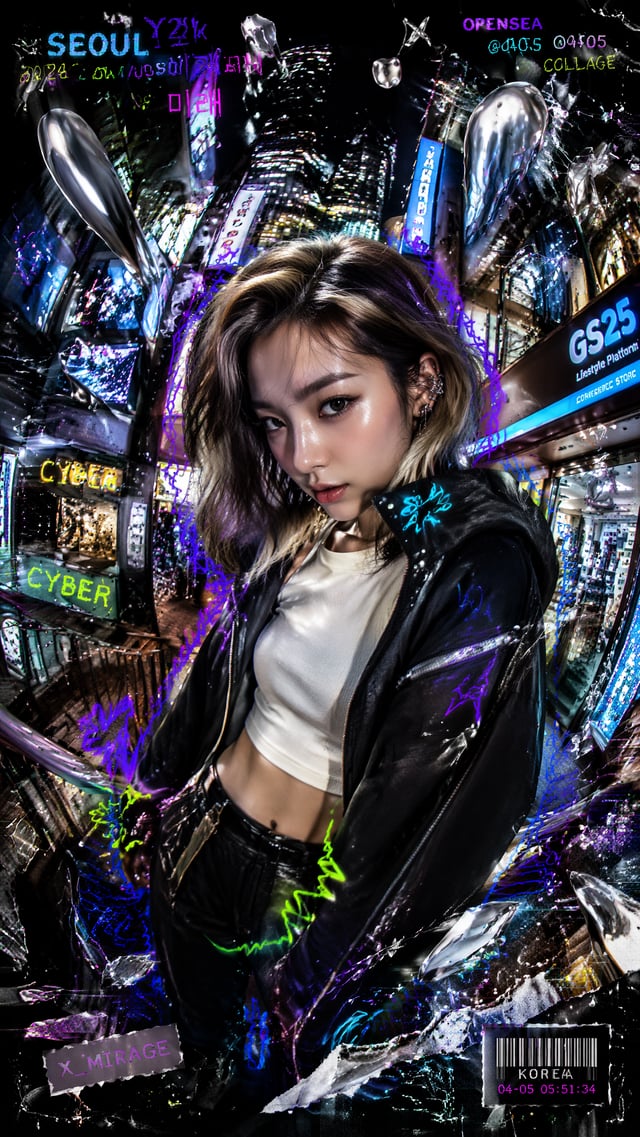
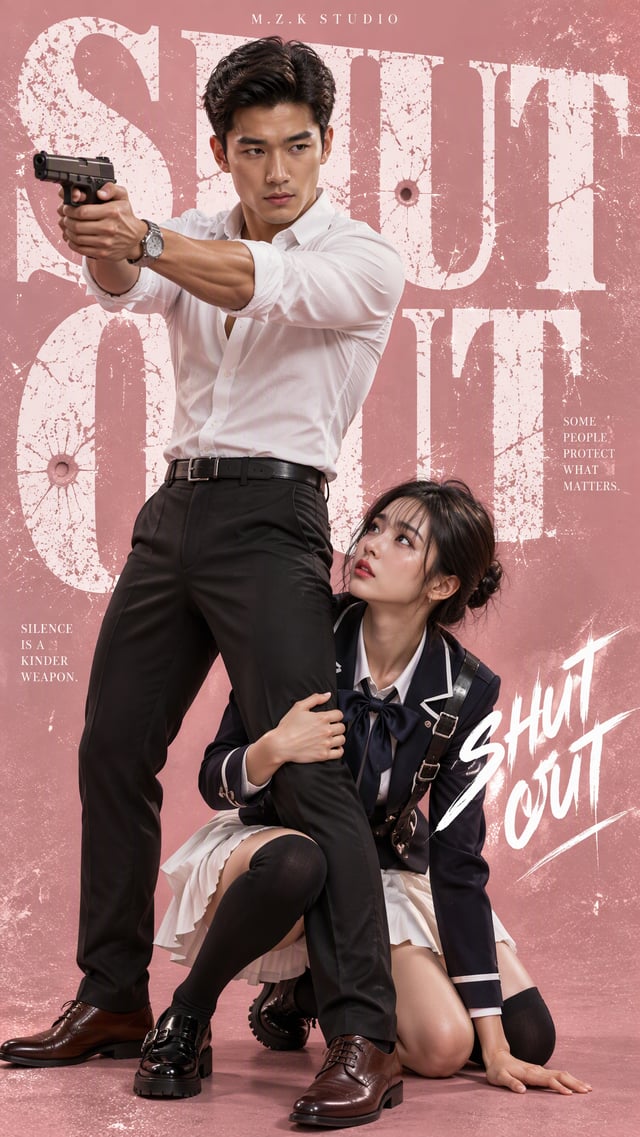
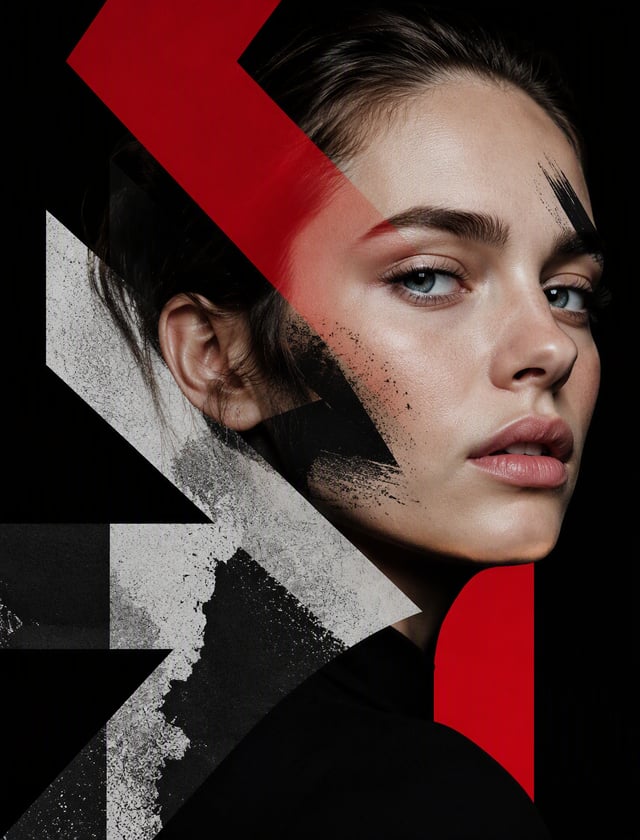
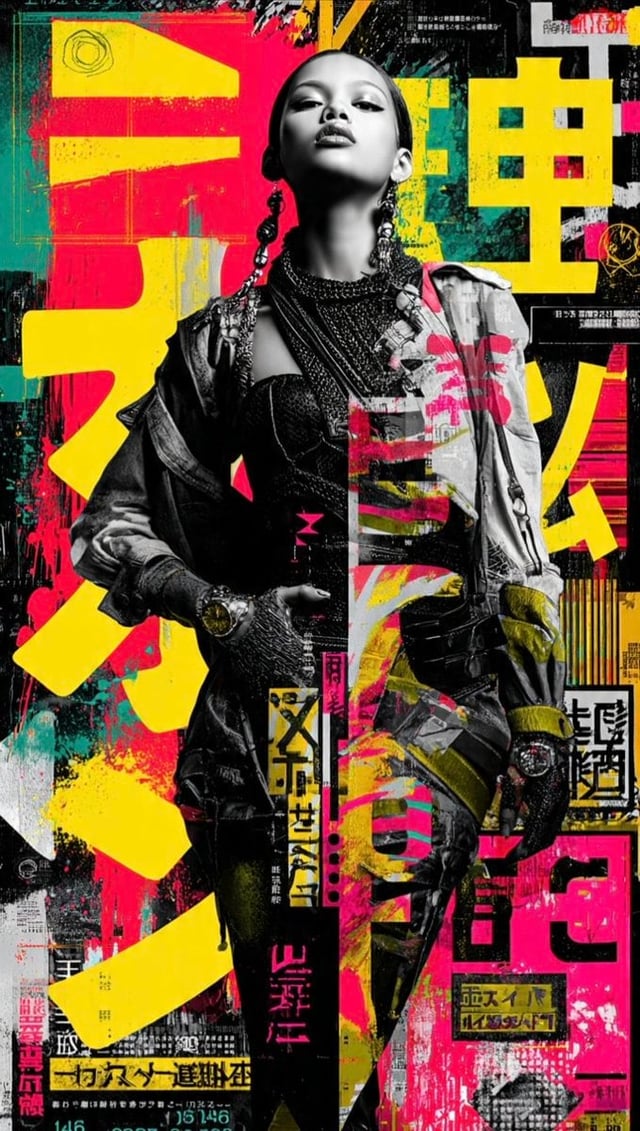
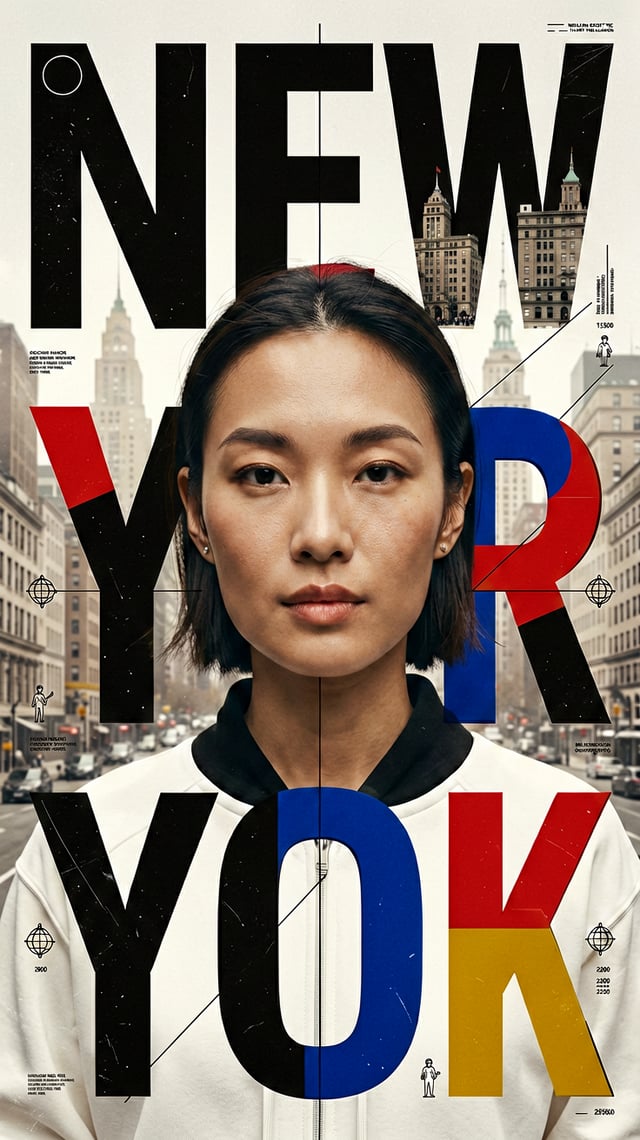
![创作一张 竖版实验设计海报,主题为 [主体]。整体风格结合 超近景微距摄影、日系实验平面设计、瑞士网格排版、Y2K 几何数字字体、独立杂志封面感、印刷海报质感。](https://images.meigen.ai/cdn-cgi/image/format=auto,quality=85,width=640,fit=scale-down/tweets/2078643205139218869/0.jpg)
Back to GalleryGPT Image

14212.8KAug 16, 2026
Prompt
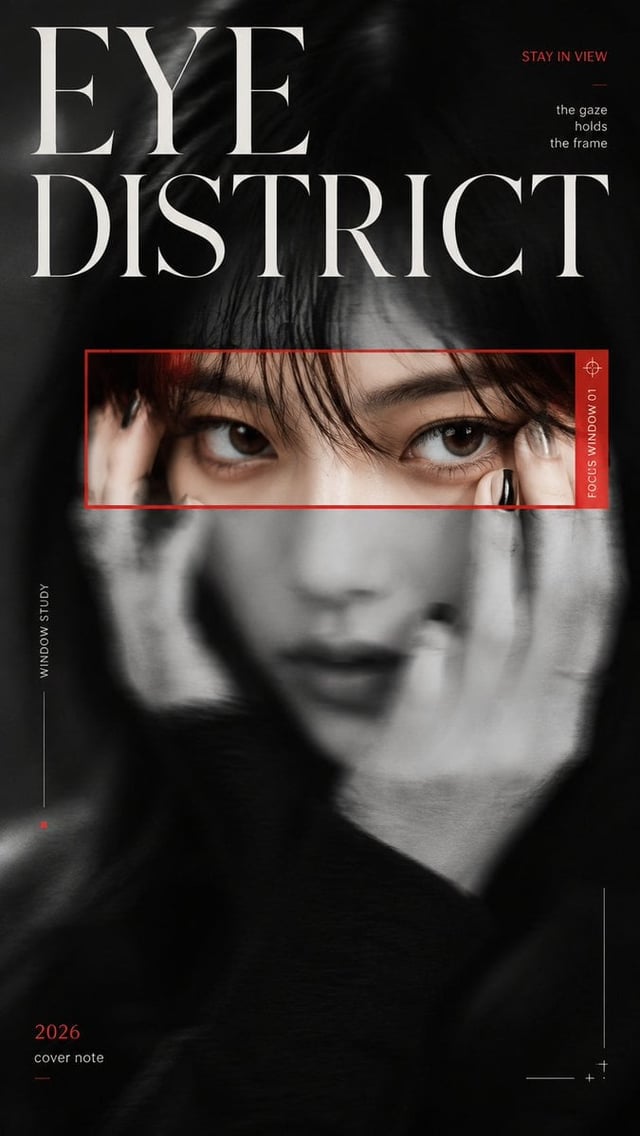
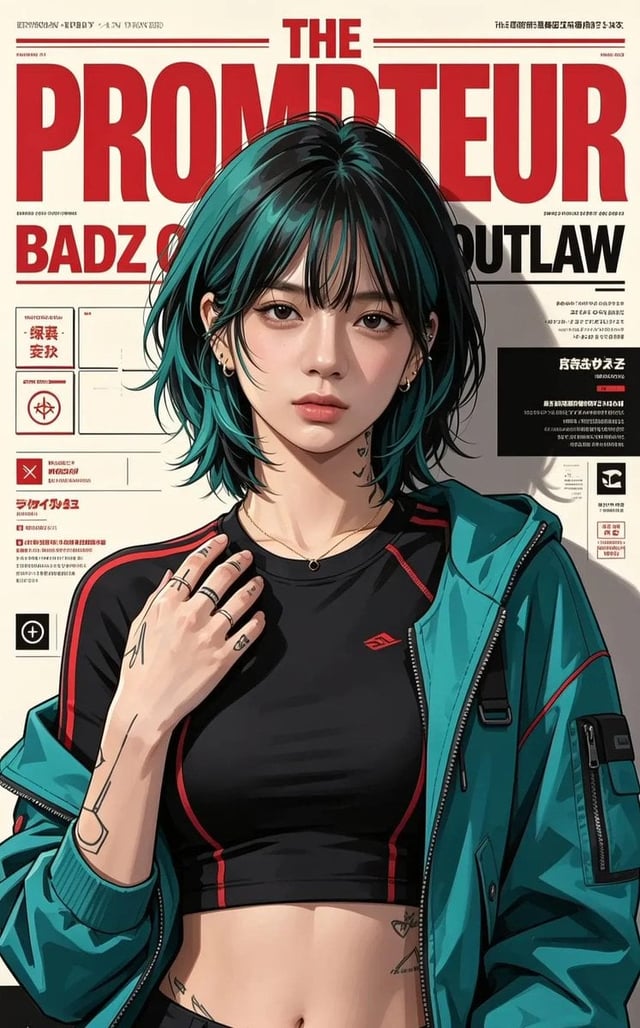
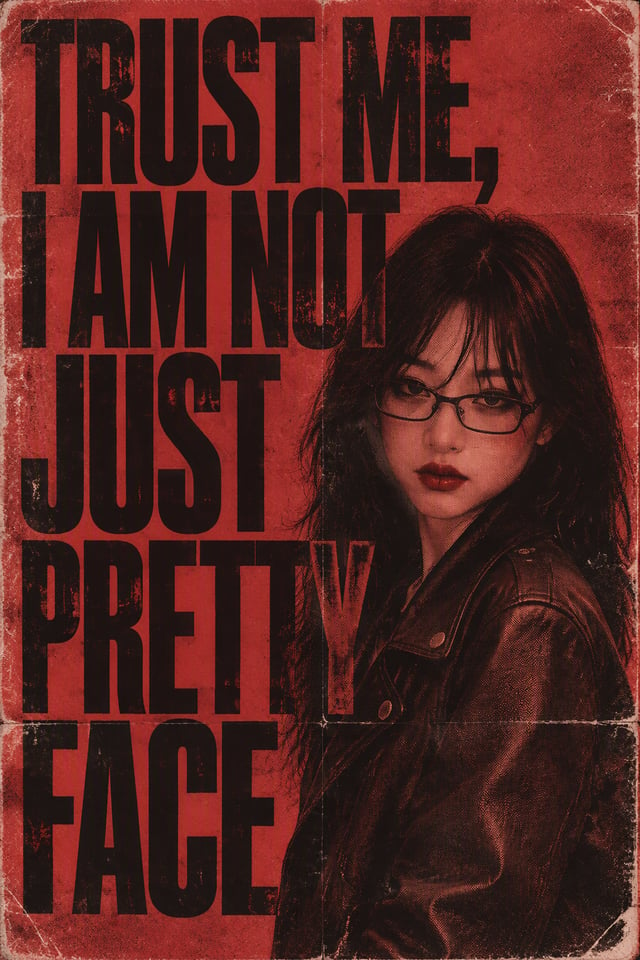
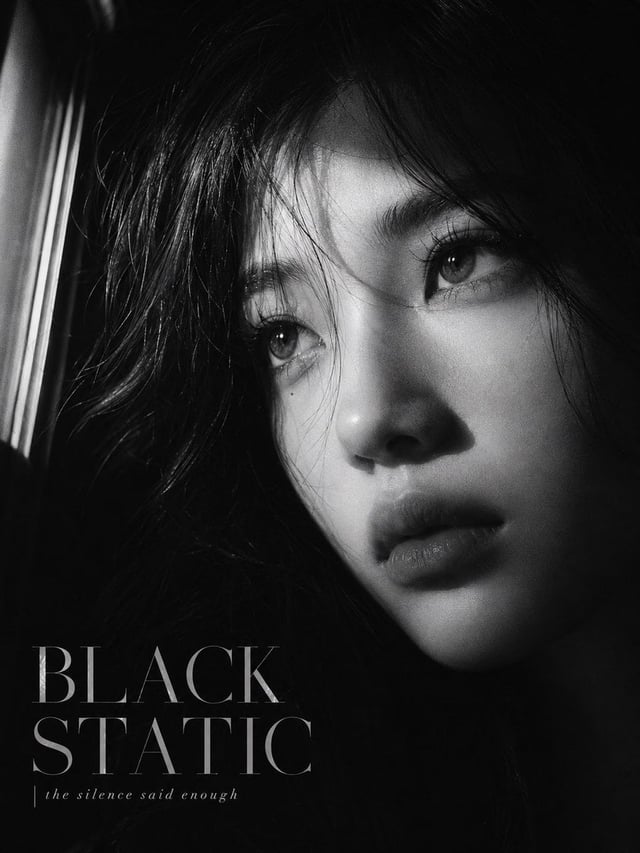
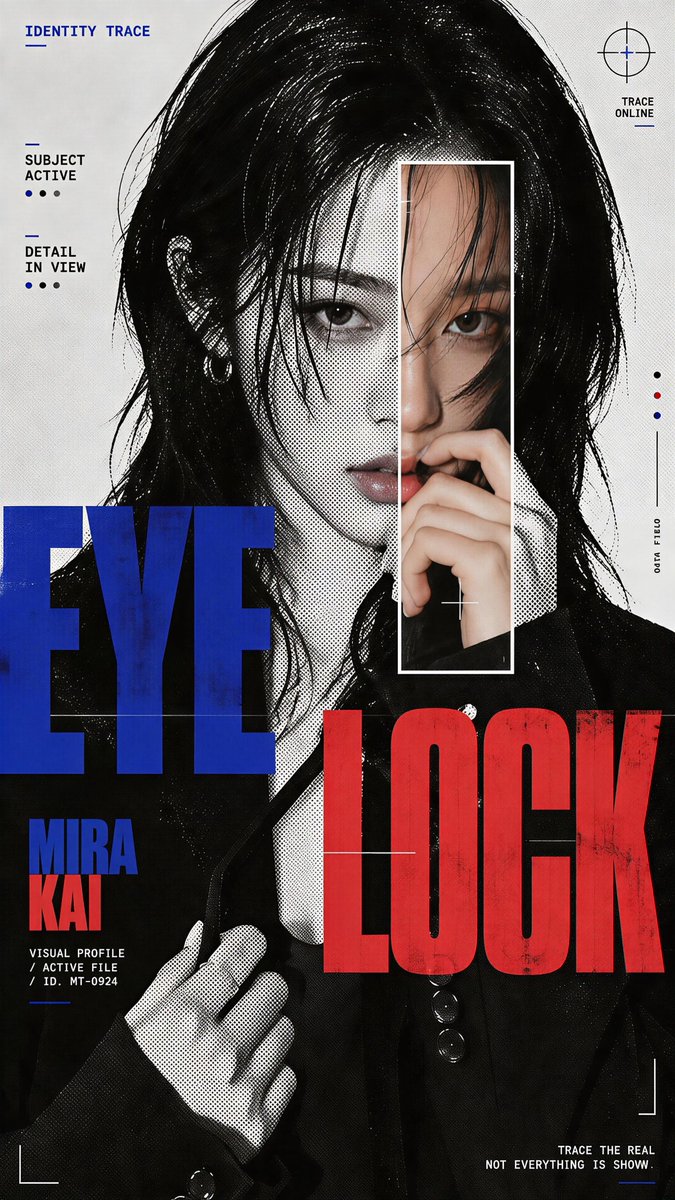
Create a 9:16 experimental character poster using a close or waist-up portrait with expressive body language. Keep most of the portrait in high-contrast black and white, then add a clear halftone screen-print effect. Use finer dots on the face and denser dots in the hair, clothing and shadows, so it feels like a printed zine rather than simple photo grain. Add one color scan window through an important part of the portrait. It can run vertically across the eye, face and hand, horizontally through the eyes and gesture, or extend from the face down into the collar and body. Inside this window, return to clean high-resolution photography with realistic cool-neutral skin, blue-grey shadows and natural lip tones. Keep it crisp and free of halftone texture so the contrast between “printed portrait” and “real detail” feels obvious. Use oversized condensed typography as part of the composition rather than placing a title in empty space. Let the letters crop off the canvas, overlap the body, pass behind the subject or cut across the scan window. Keep the palette restrained: black, white and cool grey as the base, then one cool blue and one muted red / burgundy as accents. Only add a few small identity-style labels such as “IDENTITY TRACE”, “SUBJECT ACTIVE”, “GESTURE READ” or “FEATURE ACTIVE”. A few thin lines, circles and open corner marks are enough. The final image should feel like a mix of youth-culture poster, printed zine, character dossier and experimental magazine editorial. Avoid warm yellow grading, multiple random scan windows, floating facial features, heavy glitch effects, dense UI graphics, long paragraphs, numbering, Vol./Issue labels, sparkle symbols, logos or watermarks.