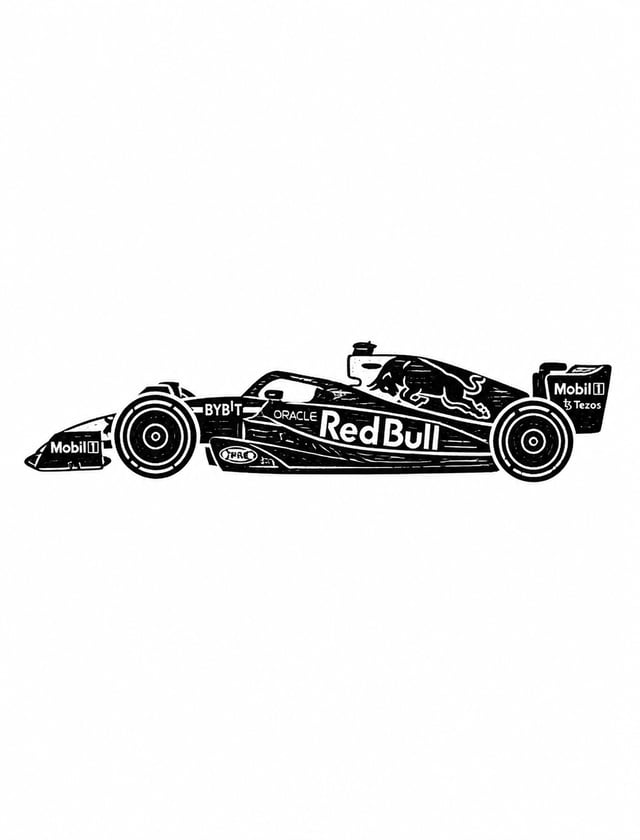
![2x2 grid, 16:9, do this for 4 unusual classic cars that were real: INPUT ::= [Product] STEP_1 :: in](https://images.meigen.ai/cdn-cgi/image/format=auto,quality=85,width=640,fit=scale-down/tweets/2084363171448422856/0.jpg)
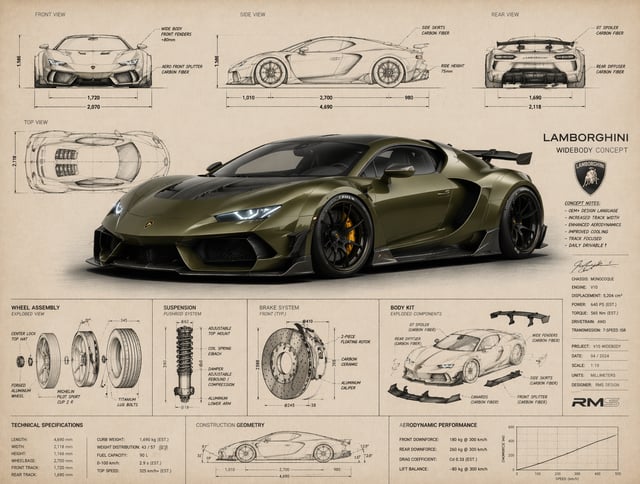
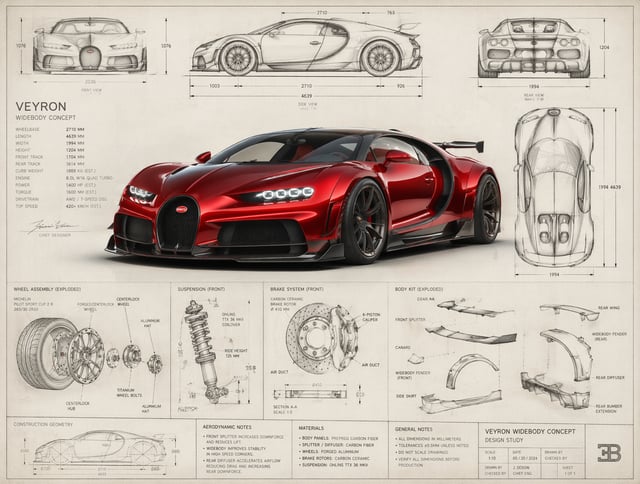
![Create a technical infographic of [VEHICLE] with a 45-degree isometric 3D perspective showing the de](https://images.meigen.ai/cdn-cgi/image/format=auto,quality=85,width=640,fit=scale-down/tweets/2048733383140712808/0.jpg)
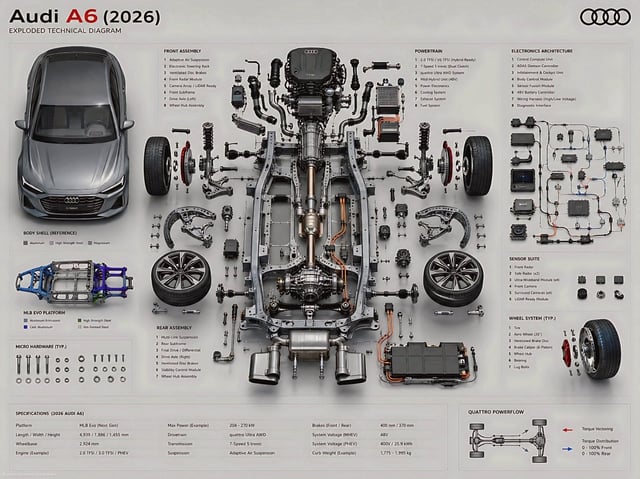
![[product], high-end product advertising, white seamless background, exploded view with inner mechani](https://images.meigen.ai/cdn-cgi/image/format=auto,quality=85,width=640,fit=scale-down/tweets/2041516871133122581/0.jpg)
Back to GalleryGPT Image

913.5KMay 3, 2026
Prompt
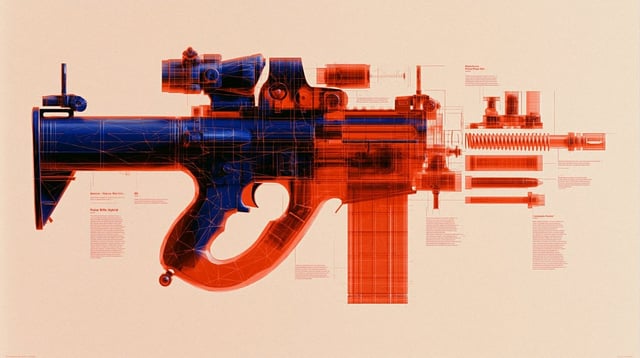
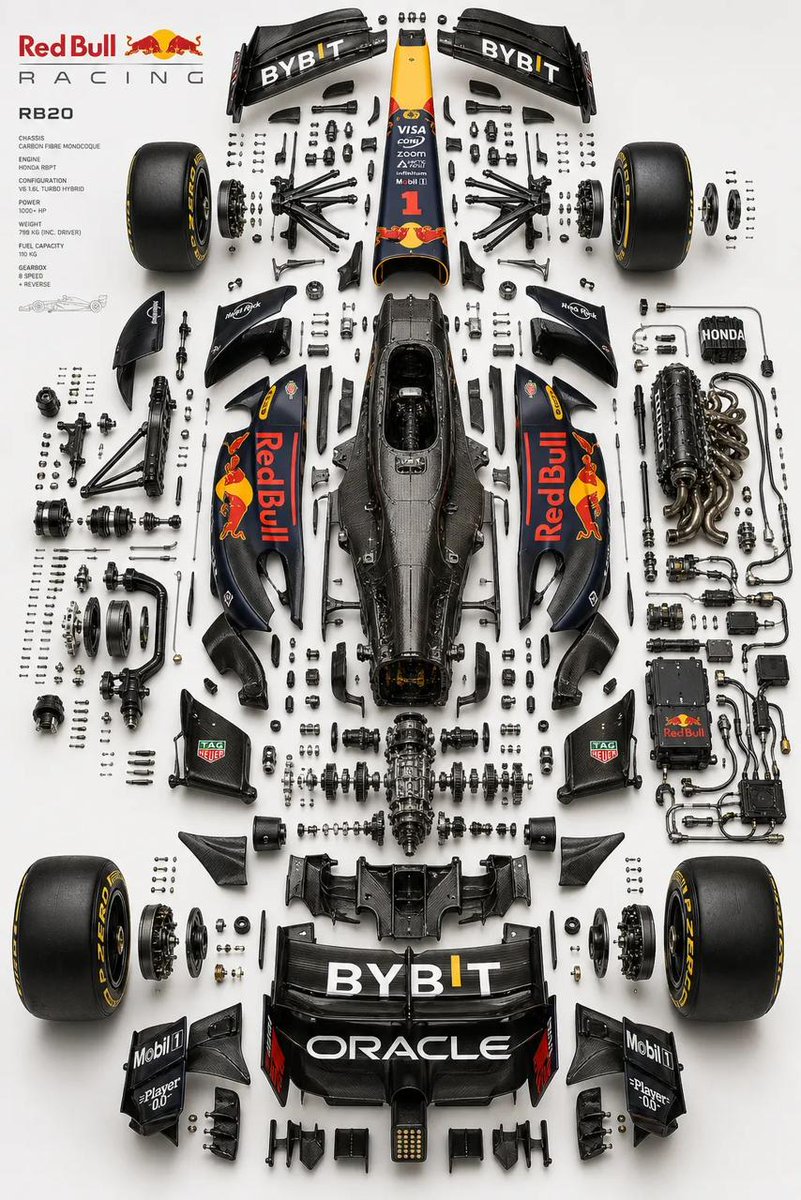
Place the primary chassis or structural platform perfectly centered as the core spine, and position the main body shell separately (left or top), aligned parallel as a reference form while preserving accurate proportions, stance, and geometry of the real vehicle. Design a multi-layered exploded system with components separated across depth (Z-axis) as well as planar spacing, using clear hierarchy: micro hardware (bolts, screws, washers) tightly grouped, functional assemblies moderately spaced, and major systems widely separated. Organize parts into realistic subsystems depending on the vehicle type, including front assembly (suspension, steering, brakes), rear assembly (suspension, drivetrain, differential), chassis/structure (frame, monocoque, subframes), powertrain (engine or motor with slight internal exposure, transmission, intake, exhaust, cooling), electronics (battery, ECU, wiring harness with clean routing), and wheel systems (4 wheels symmetrically placed with tire, rim, and hub separation). Ensure engineering realism by preserving mechanical relationships, aligning shafts and rotational axes, maintaining symmetry across left/right systems, and grouping micro components logically near their assembly points in precise micro-grid arrangements. Avoid random placement. Use a refined, high-end aesthetic: soft neutral gradient background (white to light grey or warm beige), studio-grade product lighting with soft top illumination, subtle directional shadows, and controlled reflections. Apply realistic materials such as brushed metal, carbon fiber, rubber, and glass with slight wear—avoid toy-like finishes. Maintain strong horizontal symmetry with controlled depth asymmetry for visual complexity, and ensure balanced negative space to avoid overcrowding. Render in ultra-realistic quality with razor-sharp edges, macro-level detail, subtle ambient occlusion, and ray-traced shadows. Output in 2K or 4K resolution, 4:5 aspect ratio.  No text, no labels, no arrows, no branding overlays, no stylization, no perspective distortion. Style keywords: F1 engineering exploded diagram, luxury automotive technical poster, industrial design breakdown, Apple-style product visualization, ultra-precision mechanical layout, museum-grade presentation.